BWP Blog

Blog

digital marketing agency

How to Create a Seamless Brand Experience Online & Offline

As digital marketing has become the go-to method for numerous brands and companies in the last couple of decades, it’s important not to forget about the offline experience as well. In fact, the concept of creating a seamless brand experience between online and offline mediums remains one of the single most vital for any brand.

At BWP Communications, we’re here to serve as the top digital marketing agency around Salt Lake City and nearby parts of Utah, bringing clients the best of both worlds in terms of online and offline marketing. Here are some of the reasons why a seamless brand experience across both online and offline mediums is vital, plus some general tips from our professionals on key areas you should be attending to while looking to achieve this goal.

Why a Seamless Brand Experience Across Online and Offline Media is Vital

There are a few key reasons why having a seamless brand experience across both online and offline mediums is essential for businesses today:

  1. Consistency: In order to build trust and credibility with consumers, it’s crucial that your brand messaging and identity remain consistent across all platforms. This includes everything from your logo and branding elements to the tone and style of your communication.
  2. Increased Reach: By having a cohesive brand experience across multiple media, you can reach a wider audience and increase brand visibility. For example, someone may discover your business through an online advertisement but then visit your physical store after seeing consistent branding on your social media pages.
  3. Brand Recognition: A seamless brand experience helps to create strong associations between your business and its products or services. This can lead to increased brand recognition and recall, making it more likely for customers to choose your brand over competitors.
  4. Improved Customer Loyalty: A consistent brand experience also fosters trust and loyalty with your customers. When they have a positive experience with your brand across all touchpoints, they are more likely to become repeat customers and recommend your business to others.

So how do you accomplish this? Our next several sections will dive in.

Using a Unified Visual Identity

One of the top ways to create a seamless brand experience between online and offline channels is by using a unified visual identity. This means having consistent branding elements such as logo, colors, fonts, and imagery across all platforms.

Having a unified visual identity not only creates a cohesive look for your brand but also helps customers easily recognize and remember your brand. Think about some of the most successful brands – they all have a strong visual identity that is instantly recognizable.

Integrating Data

The world of digital marketing creates huge amounts of data that brands can work with, and incorporating this data into both online and offline mediums is vital for a seamless experience. Some examples of areas where you can integrate this data include:

  • CRM: Utilize customer data to personalize marketing efforts and improve customer retention.
  • Social Media: Use analytics to identify trends, sentiment, and engagement levels for your brand.
  • Email Marketing: Monitor open rates, click-through rates, and other metrics to refine your email campaigns.
  • Website Analytics: Track website visitors, page views, bounce rates, and other metrics to optimize website performance.
  • In-store systems: You should also consider integrating your data with in-store systems, such as point of sale systems, to gain a holistic view of your customers’ behaviors both online and offline.

Training Teams to Deliver Consistent Service, Both Online and Offline

Another key aspect of a seamless brand experience is consistent service delivery, both online and offline. This requires effective training for your teams to ensure they are equipped with the skills and knowledge to deliver high-quality customer service.

For all employees, it is important to focus on the company’s brand values and customer service standards. This includes providing them with training on how to handle various customer interactions, such as handling complaints and inquiries. Additionally, employees should be trained on how to use technology and tools effectively to enhance their service delivery. For teams specifically responsible for online customer interactions, additional training may be needed to understand the nuances of digital communication and address any technical issues that may arise.

BWP Communications is Here to Help

As you can see, maintaining a seamless brand experience across both online and offline channels requires a lot of effort and expertise. That’s where BWP Communications comes in. With years of experience in the field, we specialize in helping businesses create cohesive customer experiences that align with their brand values and goals.

Our team offers a range of services, including customer service training, technology integration, and online communication strategy development. By working closely with your business, we can identify areas for improvement and implement tailored solutions to enhance your overall customer experience.

Contact us today to learn more about this or our other services as the top digital marketing agency across SLC and nearby parts of Utah!
content framework strategy

Role of Content Frameworks in Ensuring Marketing Consistency

Content is a huge part of the digital marketing picture, and keeping it consistent across your various marketing channels is one of the most vital elements here. Several tools can be used to assist you in this process, and the use of content frameworks and content pillars is especially valuable in many such settings.

At BWP Communications, we’re here to offer a wide range of digital marketing services to clients around Salt Lake and nearby parts of Utah, including integrated advertising programs that combine various marketing channels for effective outcomes. Here are some of the basics on content framework strategy and content pillars, how they tie to business objectives and audience needs, and some specific approaches to ensure your content remains consistent across all your marketing channels.

Defining Content Frameworks and Content Pillars

When we talk about content frameworks, we are referring to the overall structure or framework of a company’s content marketing strategy. This includes the different types of content that will be created, how they will be organized and distributed, and the goals and objectives associated with each type of content.

On the other hand, content pillars are the main topics or themes that your company’s content will revolve around. These act as the foundation for your entire strategy and help guide all aspects of your content creation process.

Both these concepts tie directly to business objectives and the needs of your audience. By understanding your business goals and target audience, you can determine the most effective types of content to create and which pillars they should align with.

For example, if your company’s main goal is to increase brand awareness among a specific demographic, your content strategy may include creating blog posts on topics related to that demographic’s interests and sharing them on social media platforms frequented by that group. This not only helps achieve the business objective but also caters to the needs of the target audience.

Creating Templates for Blogs, Social Posts, Emails, Etc.

One of the foundational parts of using content framework strategies for your digital marketing plans is creating templates for different types of content. Creating templates not only saves time but also ensures consistency and maintains a cohesive brand image across all channels.

Templates can be created for various types of content, such as blog posts, social media posts, email campaigns, landing pages, etc. These templates should follow the general guidelines outlined in your content framework and cater to the specific needs of each type of content.

Building a Tone/Voice Guide for Standardized Communication

Another key part of any content framework strategy is establishing a tone and voice guide for standardized communication. Tone refers to the overall attitude and style of your content, while voice is the specific way in which you communicate that tone.

Having a consistent tone and voice across all content helps to build brand recognition and trust with your audience. It also makes it easier for your team members to create content that aligns with your brand’s image and values.

To develop a tone/voice guide, start by defining the key characteristics of your brand. Is it playful or serious? Casual or formal? Authoritative or approachable? These are important factors to consider when creating your guide. Next, establish guidelines for word choice, sentence structure, and punctuation. This will help keep your brand’s messaging consistent and cohesive.

Review and Update Frameworks Regularly

Content framework strategies for your online marketing are not a one-time thing. As your brand evolves and grows, so should your content framework. It’s important to regularly review and update your guidelines to ensure they align with the current goals and messaging of your brand.

This may include conducting regular audits of your existing content, analyzing data and audience feedback, and making necessary adjustments to stay in line with industry trends. By consistently reviewing and updating your frameworks, you can ensure that your brand’s voice remains relevant and resonates with your target audience.

Most brands involved in digital marketing will review their content frameworks at least once per quarter, or even more frequently if necessary. This allows for quick adaptations to be made in response to any changes in the market or shifts in audience preferences.

At BWP Communications, we’re here to help with all your integrated advertising needs to ensure you’re covering all the relevant digital marketing channels – and specifically, to assist you with content framework strategies to keep your content consistent across all these channels. Contact us today to learn about these or any of our digital marketing services for clients around Salt Lake!

integrated marketing channels

How to Choose the Right Channel Mix for Integrated Marketing

We’ve talked recently in this blog space about the concept of integrated marketing, which involves the use of multiple digital marketing channels that are all coordinated for maximum effect. Deciding to use integrated marketing is just one key step; however, another major one in this process is determining which integrated marketing channels to include in your campaign.

At BWP Communications, we’re here to help clients around Salt Lake and nearby parts of Utah with all their integrated advertising needs, including integrated marketing channel selection based on our years of experience in this field. Here are some of the chief areas we’ll help you evaluate when making this important decision, ensuring that your integrated advertising programs are targeted for maximum effectiveness within your budget.

Laying Out a Budget

Like with any other major online marketing campaign, an integrated marketing setup will begin with an analysis of your budget. We’ll work closely with you to determine how much flexibility we have in terms of cost when constructing a comprehensive integrated marketing strategy, and then use this information to help guide our channel selection process.

Now, keep in mind that more money doesn’t necessarily mean more channels. While a greater budget certainly leaves room for more options, it’s important to focus on the channels that will best reach your target audience and yield the highest return on investment (ROI). This is where other elements of research come into play – read on!

Analyzing Audience Behavior and Time Spent

Using any existing digital marketing campaigns or services you’ve conducted in the past, examine audience behavior and time spent on different channels. This can give you insight into which channels are most effective in engaging your target audience and which may not be worth investing in.

Another helpful tool is Google Analytics, which can provide data on website traffic sources, bounce rates, and conversion rates. By analyzing this information, you can determine which channels are driving the most traffic to your website and ultimately leading to conversions.

Matching Channels to Stages of the Buyer Journey

A great approach to choosing integrated marketing channels that many businesses follow is to match these channels to the different stages of the buyer journey. This helps ensure that your marketing efforts are targeted and effective at each step of the journey.

  1. Awareness Stage: In this stage, your target audience is just becoming aware of their problem or need for a product or service like yours. Channels that are useful in this stage include social media platforms, content marketing (such as blog posts and guest articles), and display advertising. These channels allow you to reach a large audience and introduce your brand and its solutions to them.
  2. Consideration Stage: Once your target audience is aware of their problem, they will start looking for potential solutions. This is the consideration stage, where they are actively researching and comparing different options. Channels that work well in this stage include search engine marketing, webinars or live demos, and email marketing. These channels can provide more detailed information about your products or services and help convince potential customers that you have the best solution for their needs.
  3. Decision Stage: In this final stage of the buyer journey, your target audience has narrowed down their options and is ready to make a purchase decision. Channels that work well in this stage include product demos, case studies, and testimonials. These channels can showcase your products or services in action and highlight the benefits and results that previous customers have experienced.

Balancing Short-Term (Paid Ads) and Long-Term (SEO, Content) Channels

When choosing integrated marketing channels for your business, it’s important to strike a balance between short-term and long-term strategies. Paid ads, such as Google AdWords or social media advertising, can generate immediate traffic and leads, but they require a continual investment in order to maintain results.

On the other hand, SEO and content marketing are long-term strategies that take time to build up, but can have lasting effects on your website’s visibility and credibility. By creating high-quality content that is optimized for search engines, you can attract organic traffic from potential customers who are actively searching for information related to your products or services.

It’s important to consider both short-term and long-term channels when developing an integrated marketing plan. While paid ads can provide immediate results, content marketing can create a sustainable impact over time.

Test Small, Measure Results, and Expand Successful Channels

As your integrated marketing campaign evolves, it’s crucial to test different strategies and channels to see what works best for your business. This can include A/B testing different ad creatives, experimenting with different content formats, or trying out new social media platforms.

Once you have collected data from these tests, analyze the results and prioritize the most successful channels for your business. From there, you can expand and invest more resources into those channels to continue driving growth.

As you can see, there are a number of robust ways to choose integrated marketing channels that fit your budget and help you maximize your visibility and consistency as a brand. And at BWP Communications, we’re here to help clients around Salt Lake and nearby areas with all their integrated marketing needs – contact us today for help with choosing the ideal channels, or any other solution!

seamless integrated marketing campaign

What Makes an Integrated Marketing Campaign Seamless?

The concept of integration is a common one within the digital marketing world, so much so that it’s led to its own jargon in the form of “integrated advertising” or “integrated marketing.” What is an integrated marketing or advertising campaign, and what are some qualities that help it integrate across various channels seamlessly for optimal results?

At BWP Communications, we’re here to offer the very best integrated advertising services available around Salt Lake and nearby parts of Utah, helping clients create seamless integrated marketing campaigns that will reach leads across channels. Here are some basics on what integrated marketing is, plus some of the key qualities that should be prioritized to optimize any integrated advertising campaign.

What is Integrated Advertising?

For those just learning about integrated advertising, it may be helpful to start with a definition. Integrated advertising, also known as integrated marketing communications (IMC), is the process of unifying all marketing and communication efforts across various channels and platforms to create a seamless and consistent brand experience for consumers.

This process helps to ensure that all messaging, branding, and visuals are cohesive and aligned across traditional advertising methods such as television, print, and radio, as well as newer digital platforms like social media, email marketing, and search engine optimization (SEO). The goal of integrated advertising is to create a comprehensive strategy that allows for maximum impact and reach across different demographics and target audiences. By combining various channels and strategies, integrated advertising aims to create a unified voice for the brand and enhance its overall effectiveness.

What are the top qualities of integrated marketing programs that help them seamlessly combine various channels and media? Our next several sections will break it down.

Singular Core Message and Visual Theme

Across all major platforms utilized for integrated marketing, the core message and visual theme remain consistent. This ensures that the brand’s voice is unified and recognizable, regardless of where it appears.

For instance, if you see an advertisement on television, the same message and visuals are likely to appear on the brand’s website or social media accounts. This consistency helps to reinforce the brand’s identity and makes it easier for consumers to remember.

Coordinated Timing

Another key factor in integrated marketing is coordinated timing. This refers to the strategic planning and execution of marketing efforts across different channels at the same time.

For example, a brand may launch a new product with a programmed ad, followed by social media posts, email campaigns, and in-store promotions, all within a few days of each other. This creates a sense of excitement and urgency among consumers, increasing their likelihood of making a purchase.

Tracking Users Across Channels

Throughout any integrated advertising campaign, tracking users and their interactions with the brand is essential. This allows marketers to understand which channels are most effective in driving conversions and adjust their strategy accordingly.

There are various tools available for cross-channel tracking, such as Google Analytics, Adobe Analytics, and Facebook Pixel. These tools provide valuable insights into user behavior and help measure the ROI of marketing efforts across different platforms.

Measure Holistically, Not Channel By Channel

As you’re charting your success across your integrated marketing campaign, it’s important to avoid the siloed approach of focusing on individual channels. Instead, take a holistic view of all your marketing efforts and how they work together to drive conversions.

For example, while one channel may have a lower conversion rate compared to others, it may still play a crucial role in driving overall conversions by introducing new customers or creating brand awareness. By looking at the big picture rather than just individual metrics, you can make more informed decisions about where to allocate your marketing budget and resources.

Leverage Data for More Effective Targeting

With cross-channel tracking, you can also use data from different channels to better target your audience. For instance, if you see that certain demographics tend to interact more with your social media posts, you can use this information to create targeted advertisements for that specific group.

Additionally, by tracking user behavior across channels, you can better understand their preferences and interests, allowing you to personalize your marketing efforts for maximum impact.

Importance of Working With Marketing Professionals

To truly create a seamless integrated marketing campaign, it’s often quite helpful to work with marketing professionals. These experts have the knowledge and experience necessary to navigate the complexities of various marketing channels and create cohesive strategies that align with your overall goals.

Marketing professionals can also provide valuable insights and data analysis, helping you make informed decisions based on concrete data rather than assumptions or biases. Furthermore, they often have access to advanced tools and technologies that can enhance your marketing efforts and give you a competitive edge in reaching your target audience.

At BWP Communications, we’re here to help clients around SLC and nearby parts of Utah with any integrated advertising need. Contact us today to get started and learn how we’ll create a seamless integrated marketing campaign for your business!

integrated marketing

How Integrated Marketing Strengthens Brand Consistency

Consistency is a vital concept when it comes to branding and overall advertising for any business, and there are a few approaches to achieving it across your various marketing channels. One great approach that’s often utilized, particularly within the digital marketing space, is known as integrated marketing. What is this, and how does it help strengthen brand consistency?

At BWP Communications, we’re here to help with integrated marketing strategies and many related advertising services for clients around Salt Lake and nearby parts of Utah. What do we mean when we talk about integrated marketing? What are some of its key elements, and how does this approach boost brand consistency? Let’s dive in!

What is Integrated Marketing?

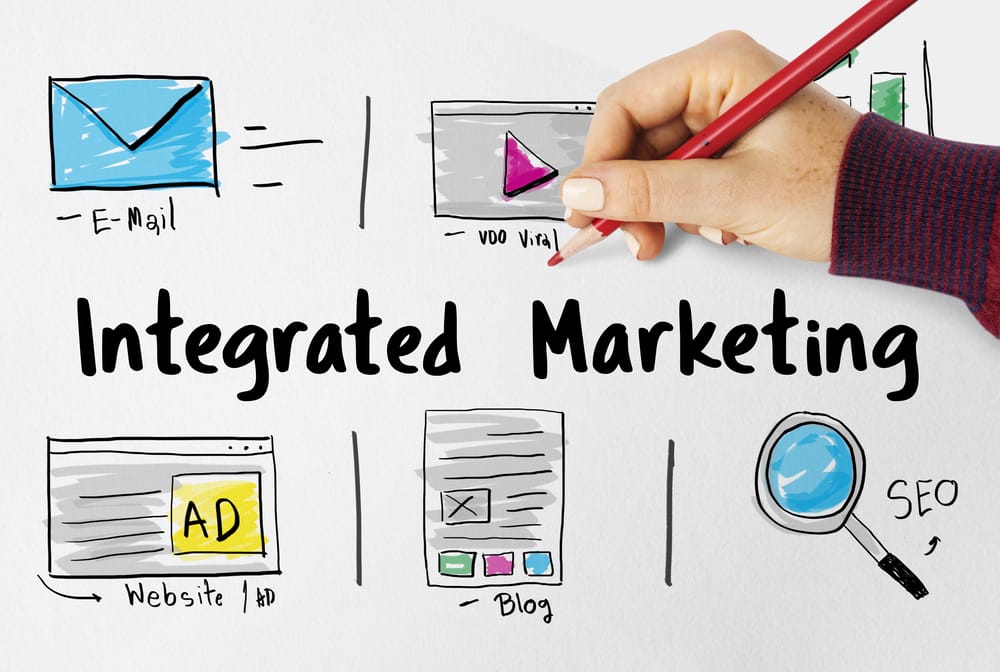
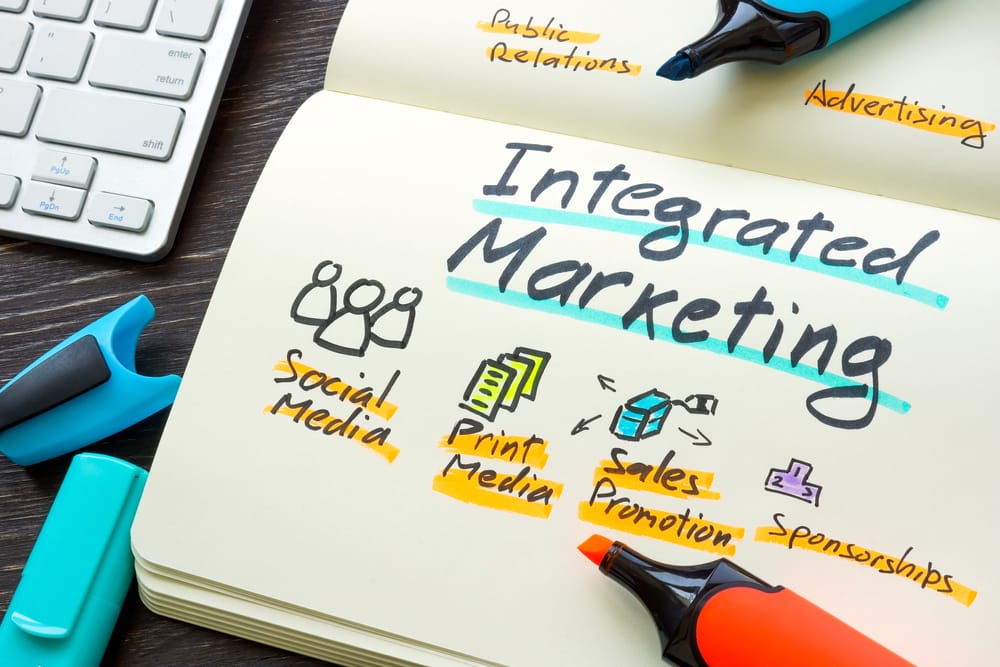
When we talk about integrated marketing, we’re referring to a unified approach to promoting a brand or message across multiple channels. This means that all of the various marketing efforts – whether it’s advertising, social media, public relations, direct mail, or others – are coordinated and work together seamlessly to reinforce the same message and image.

At BWP Communications, we help our clients understand our integrated marketing approach through three pillars:

  • Cohesion: All marketing efforts should have a consistent look, feel, and message to create a cohesive brand experience for the audience. This creates recognition and trust in the brand.
  • Consistency: The messaging and tone used across all channels need to be consistent to avoid confusing or alienating potential customers.
  • Convergence: When marketing efforts overlap to enhance one another, you’ve achieved convergence. This can be seen through cross-promotion on different channels or by utilizing multiple tactics to reach the same audience.

These three pillars work together to create a strong and effective integrated marketing strategy. However, it’s important to note that this approach is not a one-size-fits-all solution. Every business is unique, and its target audience may require a tailored approach.

Common Elements of Integrated Marketing Strategies

While these can vary between individual businesses, here are some of the most common elements that will be integrated together for this sort of marketing approach:

  • Content: The creation of informative and engaging content is crucial for any integrated marketing strategy. This includes blog posts, social media posts, videos, infographics, and more. All of these elements should work together to tell a cohesive brand story.
  • Social Media: As mentioned before, social media plays a significant role in integrated marketing strategies. It allows businesses to reach their target audience directly and engage with them on a more personal level.
  • Email Marketing: Email marketing may seem like an outdated tactic, but it’s still highly effective when used correctly as part of an integrated approach. By sending targeted and personalized emails to potential customers, businesses can nurture leads and build relationships with their audience.
  • SEO and paid ads: Search engine optimization (SEO) and paid ads are two key components of integrated marketing strategies. By optimizing website content for search engines and using targeted keywords, businesses can increase their online visibility and drive more traffic to their site. Paid advertising, such as Google AdWords or social media ads, can also be used to target specific demographics and increase brand awareness.
  • Influencer partnerships: Collaborating with influencers in your industry or niche is another effective way to incorporate integrated marketing into your strategy. By partnering with influencers who have a strong following and credibility within your target audience, businesses can tap into new markets and gain exposure through authentic endorsements.
  • Events and sponsorships: Hosting events or sponsoring relevant conferences, trade shows, and other industry gatherings are excellent opportunities to showcase your brand and connect with potential customers. By participating in or hosting events, businesses can create a memorable experience for attendees and make a lasting impression.

How Integrated Marketing Boosts Brand Consistency

So how does integrated marketing help your business maintain brand consistency? Here are some ways:

  • Consistent messaging: By using the same messaging across all communication channels, businesses can reinforce their brand identity and ensure that customers receive a clear and cohesive message. This includes using consistent language, tone, and visuals in advertising, social media, email newsletters, events, and other marketing efforts.
  • Coordinated campaigns: With integrated marketing, businesses can create campaigns that work together seamlessly across different platforms. For example, a company can launch a new product through an integrated campaign that includes email marketing, social media ads, influencer partnerships, and PR efforts. This allows for a more holistic approach to reaching target audiences and ensures that all elements of the campaign are working towards the same goal.
  • Data-driven decision making: Integrated marketing allows businesses to collect data from various channels and use it to make informed decisions about future campaigns. By analyzing data from social media, email metrics, website traffic, and other sources, businesses can gain valuable insights into what resonates with their target audience and adjust their strategies accordingly.

At BWP Communications, we’re here to help clients around Salt Lake and nearby parts of Utah with all their integrated marketing and other advertising needs. Contact us today to set up a consultation with our experts!

data-driven content strategy

Why Data-Driven Content is so Powerful in Digital Marketing

Content is a huge part of any major digital marketing strategy, and specific kinds of content can often be quite effective for your branding and advertising. One example that’s growing in popularity is the use of a data-driven content strategy – what is this, and why is data-driven content often so valuable in the digital landscape?

At BWP Communications, we’re proud to offer the very best content development services you’ll find around Salt Lake City and nearby parts of Utah, including help with data-driven content strategies for any marketing need. Here are some basics on what a data-driven content strategy is, some of its key benefits, and some various tools and techniques to create valuable data-driven content for your marketing campaign.

Understanding Data-Driven Content Creation

For those just learning about data-driven content, it can seem a bit daunting. But in reality, it’s simply the process of using data and analytics to drive content creation and strategy. This means using information to understand your target audience, their behavior and interests, and then tailoring your content to better reach and engage with them.

Data-driven content is all about creating valuable and relevant content that resonates with your audience, rather than just guessing what might work. For instance, instead of simply creating content based on what you think your audience wants or needs, data-driven content allows you to use actual data and insights to guide your decision-making. This can lead to more effective and efficient content creation, as well as improved audience engagement and conversion rates.

Benefits of a Data-Driven Content Strategy

There are several direct benefits to implementing a data-driven content strategy for your business or brand. These include:

  • Better understanding of your audience: With a data-driven approach, you can gain valuable insights into who your target audience is and what they are interested in. This allows you to tailor your content specifically towards their needs and preferences, leading to greater engagement and conversions.
  • Improved decision-making: By using data analysis, you can make more informed decisions about the type of content you create, when to publish it, and how to promote it. This helps ensure that your efforts are focused on producing high-quality content that resonates with your audience.
  • Increased efficiency and cost-effectiveness: By utilizing data to guide your content creation and marketing strategies, you can save time and resources by avoiding trial-and-error methods. This allows you to allocate your budget more effectively, ensuring that it is used in areas that produce the best results.

How Data Influences Your Content Creation Choices

Within any kind of data-driven content strategy, one of the great perks is the way data itself will often influence your own creative decisions in terms of content. As you research and analyze data, you may come across patterns that highlight areas where your audience is most receptive. This gives you valuable insights into what kind of content to create and how to deliver it.

Data can also help you make informed decisions when it comes to topics or trends to focus on. By tracking metrics such as engagement rates and social media shares, you can identify the types of content that resonate most with your audience. This allows you to tailor your content based on their preferences, leading to better engagement and ultimately, increased conversions.

Another way data influences content creation choices is through keyword research. By analyzing search volume and competition for different keywords related to your industry, you can determine which topics and keywords to focus on in your content. This not only helps with SEO and driving organic traffic to your website, but it also ensures that you are creating content that aligns with what your target audience is searching for.

Tools and Techniques for Data-Driven Content Creation

Here are some general tools and techniques that can help you incorporate data into your content creation process:

  • Keyword research tools: As mentioned earlier, keyword research is a crucial aspect of data-driven content creation. There are various keyword research tools available, such as Google Keyword Planner, SEMrush, Ahrefs, and Moz Keyword Explorer. These tools provide valuable insights into search volume, competition, and related keywords for any given topic or industry.
  • Google Analytics: This free tool from Google allows you to track website traffic, user behavior, and other important metrics. By analyzing this data, you can identify which types of content perform well with your target audience and use that information to inform your future content strategy.
  • Third-party data providers: Another option for gathering data on your target audience is to use third-party data providers. These companies specialize in collecting and analyzing consumer information, such as demographics, interests, and behaviors. This can be useful for creating highly targeted content that resonates with specific segments of your audience.
  • Social media analytics: Social media platforms have built-in analytics tools that allow you to track engagement, reach, and other metrics for your social media posts. This can help you understand which types of content perform well on different platforms and tailor your content accordingly.

At BWP Communications, we’re here to help with all your content development needs, including for companies looking for a data-driven content strategy. Contact us today to learn more about these or any of our other digital marketing services for businesses around Salt Lake!

Digital PR for SEO, public relations

Why PR and SEO Solutions Need to Work Together

Certain combinations of specific services within the realm of marketing often require coordination, and a great example here is the combo of public relations services and SEO (search engine optimization) solutions. How does digital PR for SEO work, and why do professionals within these two areas need to work together to achieve maximum results?

At BWP Communications, we’re proud to offer a wide range of public relations services for clients around Salt Lake and nearby parts of Utah, including digital PR for SEO and much more. Here are some basics on what PR and SEO are and their individual roles in digital marketing, plus some tips on their vital connection and some best practices for integrating public relations and SEO solutions.

What Are PR and SEO?

Firstly, let’s define what PR and SEO actually are. Public relations, or PR, is the strategic communication process that aims to build and maintain positive relationships between a company or individual and its target audience. This can include media relations, social media management, crisis communication, event planning, and more.

On the other hand, SEO stands for search engine optimization. It is the practice of increasing both the quality and quantity of website traffic by improving the visibility of a website on search engines like Google through unpaid (organic) methods. This includes keyword research, on-page optimization, link building, and more.

The Vital Connection Between PR and SEO

At first glance, it may seem like PR and SEO are completely separate entities with different goals. However, they are actually closely intertwined and can greatly benefit each other.

One of the main ways that PR and SEO intersect is through content creation. Both disciplines rely heavily on creating high-quality, engaging content that resonates with target audiences. By working together, PR professionals can provide valuable insights and messaging to optimize website content for both search engine algorithms and human readers.

Another important connection between PR and SEO is link building. Public relations efforts often involve securing media coverage and mentions from reputable sources. These backlinks not only drive traffic to the website but also improve its authority in the eyes of search engines.

Furthermore, PR can help boost a company’s online reputation, which can positively impact its SEO efforts. PR strategies such as crisis management, reputation management, and positive brand positioning can all contribute to a stronger online presence and higher search engine rankings.

How Public Relations Supports SEO

There are several direct ways in which public relations can support and improve SEO efforts. These include:

  1. Creating high-quality content: As mentioned earlier, PR professionals are skilled at creating compelling and engaging content that resonates with target audiences. This type of content not only helps build brand awareness but also increases the chances of receiving backlinks from other reputable websites.
  2. Influencer partnerships: Collaborating with influencers or industry experts is a common PR strategy for garnering attention and increasing brand credibility. When these partnerships are established, they often result in backlinks to the company’s website, which can significantly boost its SEO ranking.
  3. Social media management: Public relations also involves managing social media platforms to promote a company’s brand and increase its online presence. This includes regularly sharing engaging content, responding to comments and messages, and utilizing hashtags to reach a wider audience.
  4. Crisis management: A crucial aspect of PR is managing crises that may arise within a company. This could range from negative reviews or scandals to product recalls or legal issues. A solid crisis management plan can help mitigate the damage to a company’s reputation and maintain trust with stakeholders.

Best Practices for Integrating PR and SEO

If you’re looking to combine PR and SEO efforts, here are some best practices to keep in mind:

  • Collaboration between PR and SEO teams: For successful integration, it’s important for the PR and SEO teams to work together and communicate effectively. This ensures that both teams are aligned in terms of goals and strategies.
  • Keyword research: When creating content for PR purposes, keyword research should still be a key factor. Understanding the keywords your target audience is searching for can help optimize your content for search engines and increase visibility.
  • Link building: Link building is an essential aspect of SEO, but it can also benefit your PR efforts. Including links to credible sources in your press releases or getting backlinks from reputable publications can improve your website’s authority and credibility.
  • Social media: Social media has become a powerful tool for PR professionals. It allows for direct communication with target audiences, increases brand visibility, and can even help with crisis management. Incorporating social media into your PR strategy can greatly enhance its reach and impact.
  • Visual content: In today’s digital age, visual content plays a significant role in capturing audience attention. Including images, videos, or infographics in press releases can make them more engaging and shareable on social media platforms.

If you’re looking to align your public relations and SEO efforts—or need expert support in any area of digital marketing—reach out to BWP Communications today. Based in Salt Lake City, UT, we serve clients locally and across the country with tailored digital advertising solutions that drive real results.

Web design impact on conversions

How Web Design Influences User Behavior and Conversions

Conversions are a vital metric within digital marketing campaigns, and several key factors influence the way users view your site, behave on it and, ideally, convert into purchases. One top example: The realm of web design, which is often vital for driving conversions.

At BWP Communications, we’re proud to offer an unmatched range of web and app design services for clients around Salt Lake City, Utah and nearby areas, plus numerous other digital and print marketing solutions. Here are some of the basics on web design’s impact on conversions, discussing some of the vital ways quality web design drives desirable user behavior and eventual purchase conversions.

Web Design is More Than Just Aesthetics

While it’s true that web design sets the aesthetic foundation for your website, it is much more than just the visual appeal. In fact, web design plays a crucial role in how users navigate and interact with your website, ultimately influencing their decision to convert into customers.

One of the main ways web design affects conversions is through its impact on user experience (UX). A well-designed website should be easy to navigate and offer a seamless browsing experience for users. This means a clear and intuitive layout, easily accessible information, and fast loading speeds.

Relationship Between UX and Conversion Rates

User experience is directly connected with conversion rates. If your website is difficult to use or cluttered, users are more likely to leave without converting. On the other hand, a positive UX can lead to higher conversion rates and increased customer satisfaction.

Some key aspects of UX that affect conversions include:

  • Navigation – A clear and user-friendly navigation menu makes it easy for visitors to find what they are looking for. This can reduce frustration and increase the likelihood of conversions.
  • Page Speed – According to research, 53% of mobile users will abandon a website if it takes longer than three seconds to load. Slow loading speeds not only impact user experience but also lower your search engine rankings.
  • Mobile Optimization – With more and more people accessing websites on their mobile devices, it is essential to have a mobile-friendly design. This includes responsive design, easy navigation, and optimized content for smaller screens.
  • Forms – Forms are often used to gather information or capture leads from website visitors. It is important to keep forms simple, easy to use, and relevant to the user’s needs.
  • Call-to-Action (CTA) – A CTA is a prompt that encourages users to take a specific action such as “Sign up now” or “Learn More”. A well-designed CTA can significantly impact conversions and should be placed strategically throughout the website.

Psychological Principles and Design Elements to Influence Conversions

When it comes to designing a website that encourages conversions, there are several psychological principles and design elements that can be utilized to influence user behavior. These include:

  • Social Proof – People tend to follow the actions of others, so displaying positive reviews or testimonials from satisfied customers can boost credibility and trust in your brand.
  • Urgency/Scarcity – Creating a sense of urgency or scarcity through limited time offers or low stock notifications can generate a fear of missing out (FOMO) and prompt users to take action.
  • Emotional Triggers – Emotions play a significant role in decision-making, so incorporating emotional triggers such as fear, excitement, or exclusivity into your messaging can persuade users to convert.
  • Personalization – Tailoring your messaging and offers to specific demographics or individual preferences can make users feel valued and more likely to convert.
  • Convenience – Making the buying process simple and hassle-free can reduce barriers to conversion. Providing multiple payment options, free shipping, or a one-click checkout can improve the overall user experience.
  • Consistency/Brand Identity – Consistently delivering a cohesive brand message and identity across all channels can build trust and familiarity with your audience, making them more likely to convert.

Mobile and Responsive Design Concepts

As more and more people access the internet through mobile devices, it is crucial for businesses to ensure their website is optimized for mobile and has a responsive design. This means that the website should adapt and display properly on any device, regardless of screen size.

Having a mobile-friendly website has become imperative for businesses as it not only improves user experience but also helps with search engine optimization (SEO). In fact, Google considers mobile-friendliness as a ranking factor in its search algorithm.

A few ways to make your website more mobile-friendly include:

  • Using a responsive layout: This allows your website to adjust its layout according to the screen size of the device it is being viewed on.
  • Optimizing images and videos: Large or high-resolution images and videos can slow down the loading speed of your website on mobile devices. Optimizing them for smaller screens can make a significant difference.
  • Implementing touch-friendly buttons: Mobile users rely heavily on touchscreens, so it’s important to have buttons that are large enough and spaced apart to make it easy for users to click on them.
  • Simplifying navigation: Mobile screens are much smaller than desktops, so reducing the number of menu items and using drop-down menus can make navigation easier for users.
  • Including clickable phone numbers and email addresses: This allows users to easily contact you without having to manually copy or type in your contact information.

At BWP Communications, we’re happy to help with all your web and app design needs. Contact us today for these or any of our other marketing services to businesses around Salt Lake City, Utah!

Omnichannel marketing strategy

Omnichannel Marketing: Customer Journeys Across Platforms

The broad digital marketing space can be broken down into numerous sub-categories and nuanced areas, and one such sub-category that’s becoming more and more popular and important in recent years is known as omnichannel marketing. What is omnichannel marketing, and how can a great omnichannel marketing strategy help create seamless customer journeys across the various platforms they may utilize for their web usage?

At BWP Communications, we’re proud to serve as the top digital marketing and ad agency across Salt Lake City, assisting clients with a wide range of different digital strategies to help them reach their target demographics. Here are some basics on omnichannel marketing strategy and how it helps create customer journeys, including how it differs from similar forms of marketing and how to overcome some of its key challenges.

What is Omnichannel Marketing?

As its name suggests, an omnichannel marketing strategy is one that aims to create a unified, seamless customer experience across every single possible channel they may use – both online and offline in nature. This means ensuring that customers are able to interact with and purchase from a brand using their preferred methods of communication, whether it be through social media, email, in-store, or any other channel.

For instance, a customer may discover a product through an online ad, research it further on the brand’s website, and ultimately make the purchase in-store. With omnichannel marketing, each step of this customer journey is integrated and streamlined for maximum convenience and consistency.

Why is Omnichannel Marketing Important for Seamless Customer Journeys?

In today’s digital age, customers have more options than ever before when it comes to engaging with brands. They expect a seamless experience across all channels and will quickly move on to another brand if their expectations are not met. This makes having an omnichannel marketing strategy crucial for businesses looking to stay competitive and retain loyal customers.

Furthermore, with the rise of social media and mobile devices, customers now have the power to share their experiences and opinions about brands with a global audience. This means that providing a positive customer experience is not only important for retaining current customers, but also for attracting potential new ones.

Having an omnichannel marketing strategy allows businesses to provide a consistent and cohesive experience across all channels, including social media, email, website, mobile apps, and in-store interactions. This creates a seamless journey for customers as they interact with the brand through different touchpoints.

How Does It Differ From Multichannel Marketing?

Multichannel marketing is often confused with omnichannel marketing, but there are significant differences between the two approaches. While multichannel marketing simply means utilizing multiple channels to reach customers, omnichannel marketing takes it a step further by integrating those channels into one cohesive strategy. Omnichannel marketing also focuses on providing a seamless experience for customers across all channels, rather than just having a presence on multiple platforms.

Furthermore, today’s uses of multichannel marketing tend to focus primarily on online-only channels, such as social media and email marketing. Omnichannel marketing, on the other hand, incorporates both online and offline channels, such as brick-and-mortar stores and print advertising, into its strategy.

This integration of multiple channels allows for a more holistic approach to reaching customers and creating a consistent brand experience. For example, a customer may receive an email promotion for a product, visit the company’s physical store to see the product in person, and then make the purchase through the company’s website. Each step seamlessly flows into the next, providing convenience and ease for the customer while also promoting brand recognition.

Vital Role of Automation Tools in Omnichannel Marketing Strategy

Among a few tools that are important for implementing an omnichannel marketing strategy, automation tools play a vital role in managing and integrating various channels effectively. These tools are designed to streamline the entire process and make it easier for businesses to connect with customers across multiple touchpoints.

With automation tools, companies can create targeted and personalized campaigns that cater to the specific interests and needs of their customers. They can also track customer behavior across different channels and use this data to deliver relevant content at the right time through the most appropriate channel.

Moreover, automation tools help in automating repetitive tasks such as email marketing, social media posting, and data analysis. This not only saves time but also ensures consistency in messaging and branding across all channels.

Challenges in Implementing Omnichannel Marketing

Now, there can be some challenges in implementing omnichannel marketing strategies. One of the major challenges is data integration and management. With multiple channels generating large amounts of data, it can be overwhelming for businesses to gather, organize and analyze this data effectively.

Another challenge is keeping up with constantly evolving technology and consumer behavior. New channels and trends emerge all the time, making it important for businesses to stay updated and adapt quickly.

But with a combination of quality automation tools and the assistance of digital marketing experts like ours at BWP Communications, you can leverage omnichannel marketing to create seamless customer journeys across every conceivable platform. For more on this, or to learn about any of our other ad agency services across Salt Lake City, contact us today!

Role of User-Generated Content in Boosting Brand Trust

Role of User-Generated Content in Boosting Brand Trust

There are several ways that involving clients or users of your products in your branding content can be useful and beneficial, and the use of user-generated content on your website and related digital marketing locations is a great example. What exactly is user-generated content, and how can it serve as a powerful tool to help you build and boost brand trust as part of your digital marketing campaign?

At BWP Communications, as a top print and digital ad agency in Salt Lake City, we’re here to offer a huge range of marketing content options that includes user-generated content and many others. Here are some important basics on what user-generated content is, how it helps build brand trust, and some of its direct benefits and strategies to consider for your branding needs.

What is User-Generated Content?

For those who are just learning about it for the first time, user-generated content (UGC) includes any type of content that is created by users and consumers rather than brands or companies. This can be anything from blog posts, videos, photos, reviews, and social media posts to even podcasts and more. Essentially, it is any form of content that is made by your audience rather than you.

Why Use User-Generated Content?

UGCs are a powerful tool for building brand trust because they provide an authentic representation of your brand by showcasing real experiences and opinions from real people. In today’s digital age where consumers have become increasingly skeptical of traditional advertising tactics, user-generated content serves as a breath of fresh air by providing a genuine perspective on your products/services.

For instance, when a potential customer comes across a review or social media post from someone who has used your product/service and had a positive experience, they are more likely to trust that opinion than an advertisement or marketing claim made by your brand.

Furthermore, UGCs also serve as a great way to engage with your audience and build a community around your brand. By encouraging them to create content related to your brand, you are not only giving them a voice but also building a sense of belonging and loyalty towards your brand.

Establishing and Maintaining Credibility

One of the major challenges for businesses in today’s digital age is establishing and maintaining credibility with their target audience. With the rise of social media and online reviews, consumers have a plethora of information at their fingertips to evaluate a brand’s reputation and credibility.

One way to combat this challenge is by leveraging user-generated content. As mentioned earlier, UGCs are created by real people who have had first-hand experience with your product or service. This provides a sense of authenticity and transparency that traditional marketing tactics often lack.

Moreover, UGCs can also help address any potential concerns or doubts that consumers may have about your brand. By showcasing positive experiences and interactions through UGCs, you are building trust and credibility with your audience.

Types of User-Generated Content

There are various types of user-generated content that can be utilized by businesses such as:

  1. Reviews and Testimonials: These include written accounts of customers’ experiences with a product or service. They can be shared on the company’s website, social media platforms, or review websites such as Yelp and TripAdvisor.
  2. Photos and Videos: These are visual forms of UGC that showcase customers using the product or service in real life. They can be posted on social media with relevant hashtags, or featured on the company’s website.
  3. Social Media Posts: Customers may create posts about your brand on their personal social media accounts, giving a shoutout to your products or services. This type of UGC can also incorporate photos and videos.
  4. Blogs and Articles: Some customers may choose to write blog posts or articles about your brand, sharing their experiences and opinions with their audience. These types of UGC can be shared on the customer’s personal blog or social media accounts, and can also be featured on your company’s website.
  5. Reviews and Ratings: Online reviews and ratings from customers are another form of UGC that can greatly impact a brand’s reputation. Positive reviews and high ratings can attract new customers, while negative ones may require addressing to maintain a positive image.
  6. Collaborations: Brands may collaborate with influencers or other businesses to create UGC together. This could include co-branded content, sponsored posts, or even product collaborations.

At BWP Communications, we’re here to help with all your marketing content needs, including for brands who want to consider user-generated content. For more here, or to learn about any of our digital marketing services for businesses around Salt Lake City, contact us today!

Intersection of Branding and AI for Customer Experiences

Intersection of Branding and AI for Customer Experiences

Increasing use of artificial intelligence (AI) is one of the most notable topics in our world today, and the digital marketing realm is one great example. There are many ways to infuse AI marketing into existing forms of advertising, and branding services are one chief such area.

At BWP Communications, we’re proud to serve as the top marketing agency in Salt Lake City, providing clients with a wide range of digital marketing and branding services. Here are some basics on how AI marketing can often be utilized within branding to bring great customer experiences and level up your brand’s success.

How Do AI Platforms Work?

Before we get into branding specifically, it’s important to understand the basics of how AI marketing platforms function. These are generally software-based services that use various algorithms and data sets to learn about consumer behaviors and patterns, then utilize this information to create targeted marketing campaigns.

AI platforms can be set up by businesses with their own in-house team or through a third-party agency like BWP Communications. They typically involve inputting large amounts of customer data and preferences, which the platform then uses to make predictions on what types of products or services each individual customer is most likely to be interested in.

AI Branding Strategies

So how does AI fit into branding? The goal of any branding strategy is to connect with customers and create a positive perception of a company or product. AI can play a crucial role in achieving this goal by personalizing the customer’s experience and making it more relevant to their individual preferences.

With the increasing use of AI in marketing and branding, businesses have access to valuable insights and data about their customers. This allows them to understand their target audience better and tailor their branding efforts accordingly. Here are some ways that AI can enhance branding strategies:

  • Personalization: With the help of AI, businesses can now personalize their messaging and content for each customer based on their previous interactions with the brand. This creates a more personalized experience for the customer, making them feel valued and understood.
  • Predictive analytics: Through predictive analytics, AI can analyze customer data and predict future behavior patterns. This information can then be used to create targeted campaigns and messaging that resonates with the customers.
  • Brand sentiment analysis: AI tools can also monitor social media and online platforms for any mentions or discussions about the brand. This enables businesses to quickly respond to any negative sentiment and address issues before they escalate.
  • Optimize branding efforts: By using AI algorithms, businesses can optimize their branding efforts by identifying the most effective channels, messaging, and timing for reaching their target audience.
  • Visual recognition: With AI technology such as image recognition, brands can easily identify where their logo or product is being featured in photos or videos across various platforms. This helps businesses track their reach and engagement in real-time.

Common Use Cases

While this is far from an exhaustive list, as the potential applications of AI within branding are virtually limitless, here are some of the common ways these programs are often utilized:

  • Chatbots: Chatbots are computer programs that can simulate human conversation through text or voice commands. They are commonly used in customer service to handle simple inquiries and assist customers with basic tasks.
  • Personalization: AI technology allows brands to personalize their interactions with consumers, from targeted advertising to tailored product recommendations based on individual interests and behaviors.
  • Customer insights: AI-powered analytics can process vast amounts of data to provide businesses with valuable insights into consumer behavior, preferences, and trends. This information helps companies optimize their marketing strategies and improve overall customer satisfaction.
  • Fraud detection: AI algorithms can quickly identify suspicious activities or transactions that could indicate fraud. This helps businesses protect themselves and their customers from potential financial losses.

Future Possibilities

AI technology is constantly evolving and has the potential to continue transforming branding. In the future, we can expect to see even more advanced AI tools being developed and implemented in the branding process. Some possibilities include:

  • Personalized advertising: With the use of AI, companies will be able to deliver targeted ads that are tailored to individual customers based on their preferences, behavior, and interests. This could lead to higher conversion rates and more effective marketing campaigns.
  • Voice-based branding: With the rise of virtual assistants like Alexa and Siri, voice-based branding is becoming increasingly important. AI technology can help create unique voices for brands that align with their brand image and values.
  • Predictive analytics: By leveraging AI algorithms, businesses can anticipate future trends and consumer behaviors. This allows them to make data-driven decisions and stay ahead of the competition.
  • Personalization: AI technology can analyze vast amounts of data to create personalized experiences for customers. Whether it’s suggesting products based on past purchases or tailoring marketing messages to individual interests, personalization is key to building strong customer relationships.
  • Fraud detection: With the increase in online transactions, businesses need reliable ways to detect and prevent fraud. AI can quickly identify suspicious patterns and flag potentially fraudulent activities, saving companies time and money.

At BWP Communications, we’re here to help with a wide range of branding services for clients around SLC. Contact us today to learn more about AI marketing and how it can play a role in your branding efforts!

Storytelling is the Future of Digital Branding

Why Storytelling is the Future of Digital Branding

There are several concepts you want to be considering when engaging in digital branding and marketing for your business, and that of storytelling is one that should not be ignored. While no one necessarily wants a novel when they visit your website or view other forms of digital media you produce, the ability to weave a brief narrative and engage prospective clients is very important.

At BWP Communications, we’re here to offer a huge range of digital branding and other digital marketing services to clients around Salt Lake City, including help with content across various platforms. Here are some of the chief reasons why storytelling is a vital part of both the present and future of digital branding, plus some tips on how to include storytelling elements in your marketing copy and ads.

Engaging Your Target Audience

One of the top reasons why storytelling is crucial in digital branding is that it helps to engage your target audience. In today’s fast-paced digital world, people are constantly bombarded with advertisements and marketing messages from every direction. This can make it difficult for brands to stand out and capture the attention of their audience.

However, by incorporating a narrative or story into your brand messaging, you can capture the interest of your target audience and hold their attention for longer periods of time. Stories are powerful tools that allow us to connect emotionally with others, making them more likely to remember and resonate with our brand.

Building Authenticity

In addition to engaging your target audience, storytelling also helps build authenticity for your brand. By sharing stories that are relatable and genuine, you can establish a personal connection with your audience. This is especially important in today’s market where consumers value authenticity and transparency from brands.

By incorporating storytelling into your brand messaging, you can also showcase the values and beliefs of your company. This allows your audience to see the human side of your brand and understand what it stands for beyond just selling products or services.

Differentiating Your Brand

In a saturated market, it can be difficult to stand out among competitors. However, by incorporating storytelling into your brand messaging, you can differentiate yourself from others in the industry. By telling unique and compelling stories, you create a memorable impression on your audience and set yourself apart from the rest.

Building Trust and Loyalty

Storytelling also helps build trust and loyalty with your audience. When you share stories that are authentic and relatable, your audience feels a connection to your brand. This connection leads to increased brand loyalty as customers feel like they are part of something bigger than just a transactional relationship.

Creating Emotional Connections

One of the most powerful aspects of storytelling is its ability to create emotional connections with your audience. By tapping into their emotions, you can evoke a strong response and leave a lasting impression. Brands that successfully use storytelling in their marketing often have a strong emotional appeal that resonates with their target audience.

Tips for Incorporating Storytelling Into Branding

There are several ways to incorporate storytelling into your branding strategy. Here are a few tips to help you get started:

  • Identify Your Brand’s Core Values: Before you can tell your brand’s story, you need to identify its core values and beliefs. This will serve as the foundation of your brand’s narrative.
  • Use Authentic Stories: People are drawn to authenticity, so make sure the stories you tell are genuine and align with your brand’s values. This will help build trust with your audience.
  • Make it Visual: The use of visual elements like images, videos, and graphics can enhance the impact of your storytelling. They can help bring your story to life and make it more engaging for your audience.
  • Keep it Consistent: Consistency is key in storytelling. Make sure your brand’s story is consistent across all platforms and channels, from social media to your website and even offline materials.
  • Encourage User-generated Content: User-generated content, such as customer reviews and testimonials, can be a powerful form of storytelling. It adds credibility to your brand’s narrative and shows potential customers how others have experienced your brand.
  • Adapt to Different Platforms: While consistency is important, it’s also essential to adapt your storytelling for different platforms. What works on Instagram may not work on LinkedIn, so tailor your stories accordingly.

At BWP Communications, we’re here to help with a wide range of digital branding and other digital marketing services around Salt Lake City. Contact us today to learn more or set up an appointment with our team!